

Switching to a new iPhone can feel like unwrapping a shiny present, but what about that pesky cellular plan? You wouldn’t want to leave your trusty plan behind like an old sock, right? Transferring your cellular plan is easier than finding a cat video on the internet.
Understanding Cellular Plan Transfers
Transferring a cellular plan to a new iPhone is essential for seamless connectivity and user experience. This process often ensures that important features and services continue without interruption.
Importance of Transferring Your Cellular Plan
Transferring a cellular plan holds significant importance for several reasons. First, maintaining your existing number allows friends and family to reach you without confusion. Second, it helps retain special features that come with the plan, such as unlimited data or international roaming options. Additionally, switching plans during a device upgrade might lead to losing promotional pricing or data allowances. Prioritizing this transfer prevents unnecessary issues and keeps mobile access uninterrupted.
When to Transfer Your Cellular Plan
Timing the transfer of a cellular plan can affect the overall experience with the new device. Conducting the transfer immediately upon acquiring the new iPhone typically offers the quickest setup. Alternatively, waiting until the old device is completely backed up could ensure that important data remains accessible during the transition. Consider transferring the plan during peak usage times, like the weekend, when customer service may be more available for assistance. Planning this transfer effectively ensures a smoother transition and enhances user satisfaction with the new device.
Preparing for the Transfer
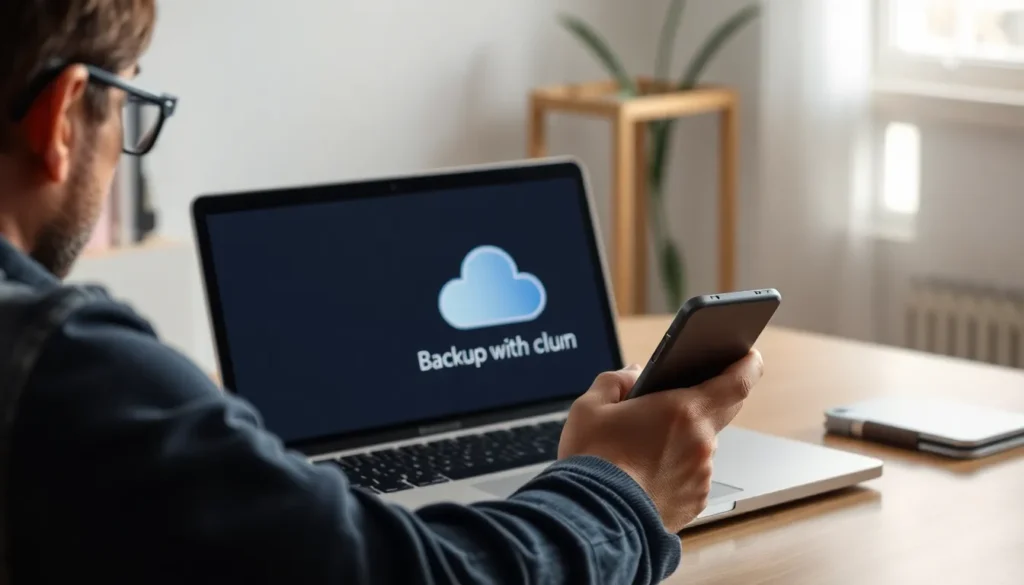
Preparing for the transfer of a cellular plan to a new iPhone involves a few crucial steps that ensure everything goes smoothly.
Backing Up Your Data
Backing up data protects important information during the transition. Users can initiate a backup via iCloud or by connecting the old iPhone to a computer. iCloud allows access from anywhere, while a computer backup may offer more space. Choosing either option ensures photos, contacts, and app data remain safe. Verifying the backup completion is essential before moving on. Regular backups simplify the process of restoring data on the new device.
Checking Compatibility with Your New iPhone
Checking compatibility of the current cellular plan with the new iPhone is vital for a successful transfer. Most carriers support a wide range of devices, but confirming supported bands and features prevents future connectivity issues. Users can look for compatibility guidelines on the carrier’s website or contact customer support for confirmation. Ensuring that the SIM card fits the new iPhone also streamlines the transition. Compatibility assures that users receive all the benefits of their existing plan when switching to the new device.
Steps to Transfer Your Cellular Plan
Transferring a cellular plan to a new iPhone involves a few straightforward methods. Users can either rely on a physical SIM card or take advantage of eSIM technology.
Using the SIM Card
To transfer using a SIM card, users simply remove the card from their old iPhone and insert it into the new one. First, they should power off the new device before inserting the SIM. Next, turning the device back on enables automatic recognition of the plan. Users can immediately start using their existing number and plan features. If the SIM card doesn’t fit, contacting the carrier for a new compatible card resolves the issue quickly.
Using eSIM Technology
For those utilizing eSIM technology, the transfer process involves different steps. Initiating the process requires accessing the settings on the old iPhone. Users can locate the eSIM option under cellular settings, where they’ll find a QR code or activation information from their carrier. Scanning this code on the new iPhone links the eSIM to the new device. Internet connectivity during this process ensures a smoother transition, allowing immediate access to cellular services post-transfer.
Common Issues and Solutions
Transferring a cellular plan to a new iPhone may come with challenges. Addressing these common issues ensures a smooth transition.
Troubleshooting SIM Card Problems
Users often encounter issues with SIM card compatibility. If the SIM card doesn’t fit in the new device, checking the card’s size is crucial; users may require a different size for the new iPhone. Sometimes, damage can prevent proper connectivity. Inspecting the SIM card for scratches or other defects can help identify faults. Rebooting the iPhone after inserting the SIM card can also resolve minor glitches. If problems persist, contacting the carrier becomes essential for obtaining a replacement card or further assistance.
Resolving eSIM Activation Issues
eSIM activation can present unique challenges. Users should start by confirming that their carrier supports eSIM on the new iPhone. Accessing the settings and verifying that the eSIM feature is enabled also plays a vital role. If scanning a QR code fails, manual entry of activation information is an option. Ensuring the old device is connected to Wi-Fi during the process enhances the likelihood of success. If activation remains unsuccessful, contacting the carrier for troubleshooting and support should be the next step.
Transferring a cellular plan to a new iPhone is a crucial step that ensures uninterrupted connectivity and access to all the features users enjoy. By following the outlined steps and preparing properly, individuals can make this transition smooth and hassle-free. Whether opting for a physical SIM card or eSIM technology, understanding the process helps avoid common pitfalls.
Maintaining the existing number and plan benefits not only the user but also enhances the overall experience with the new device. With a little preparation and attention to detail, users can enjoy their new iPhone without missing a beat in their mobile service.

