
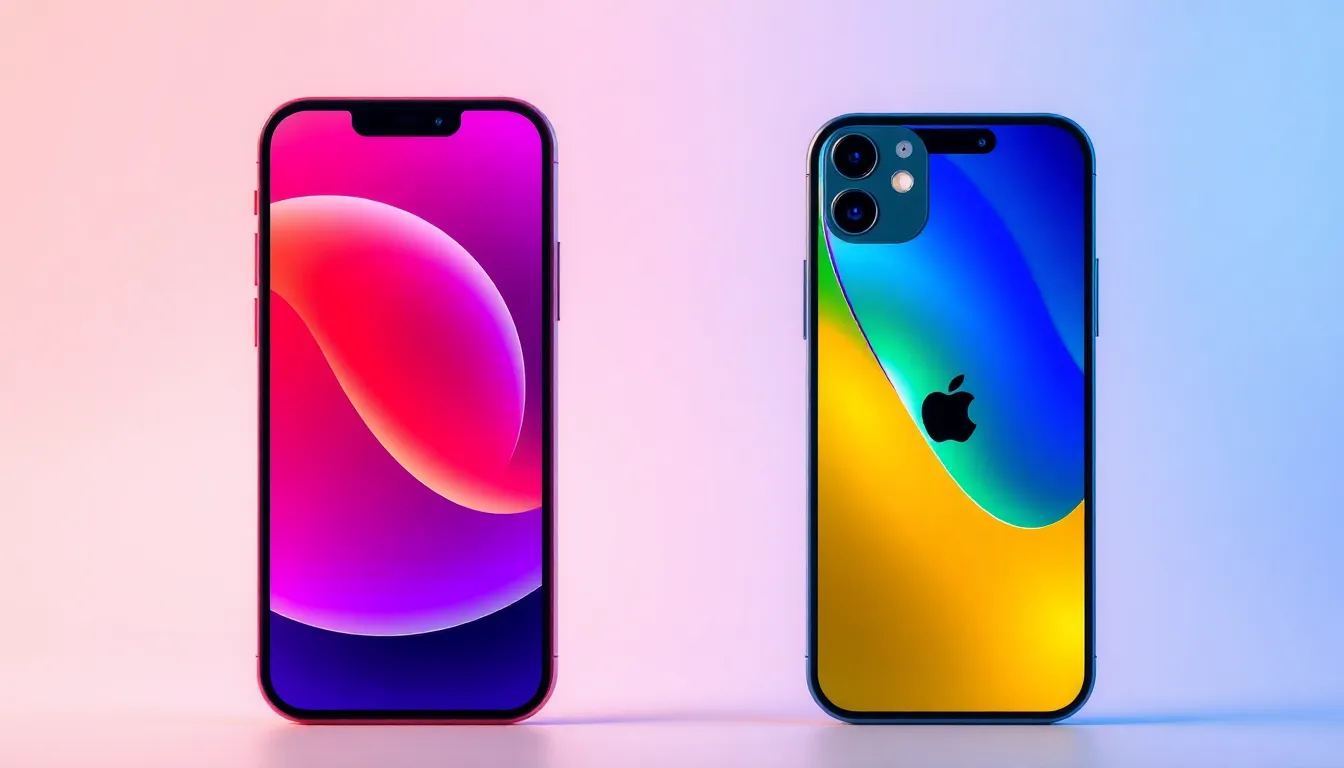
In a world where bigger often seems better, Apple threw a curveball with the iPhone 12 Mini. It’s like the little sibling who steals the spotlight at family gatherings. But what really sets the iPhone 12 apart from its pint-sized counterpart?
Overview of iPhone 12 and iPhone 12 Mini
iPhone 12 and iPhone 12 Mini both belong to Apple’s 2020 lineup, showcasing impressive features in different sizes. The iPhone 12 measures 6.1 inches diagonally, while the iPhone 12 Mini offers a compact 5.4 inches. Different dimensions influence device handling; smaller hands may find the Mini more comfortable.
Both devices share the A14 Bionic chip, ensuring similar performance levels. Users can expect exceptional speed and graphics, whether using the iPhone 12 or iPhone 12 Mini. Camera capabilities remain consistent, featuring dual 12 MP systems for wide and ultra-wide shots. Enthusiasts can capture stunning images on either model.
Display technology also parallels between the two devices. Super Retina XDR OLED stages vibrant colors and deep blacks for all viewing experiences. The Mini, despite its smaller size, delivers the same high-resolution experience as the iPhone 12.
Battery capacities vary; the iPhone 12 houses a larger battery compared to the iPhone 12 Mini. Daily use of the Mini may require more frequent charging, especially during high-demand tasks. Both devices support MagSafe accessories, enhancing usability and versatility.
In terms of color options, a variety exists for both models. Users can choose from blue, green, red, white, and black. The aesthetic appeal remains strong across both devices.
Finally, pricing distinguishes the models. The iPhone 12 typically costs more than the iPhone 12 Mini due to its larger display and battery. Budget-conscious individuals may prefer the Mini without sacrificing performance.
Design and Build Quality
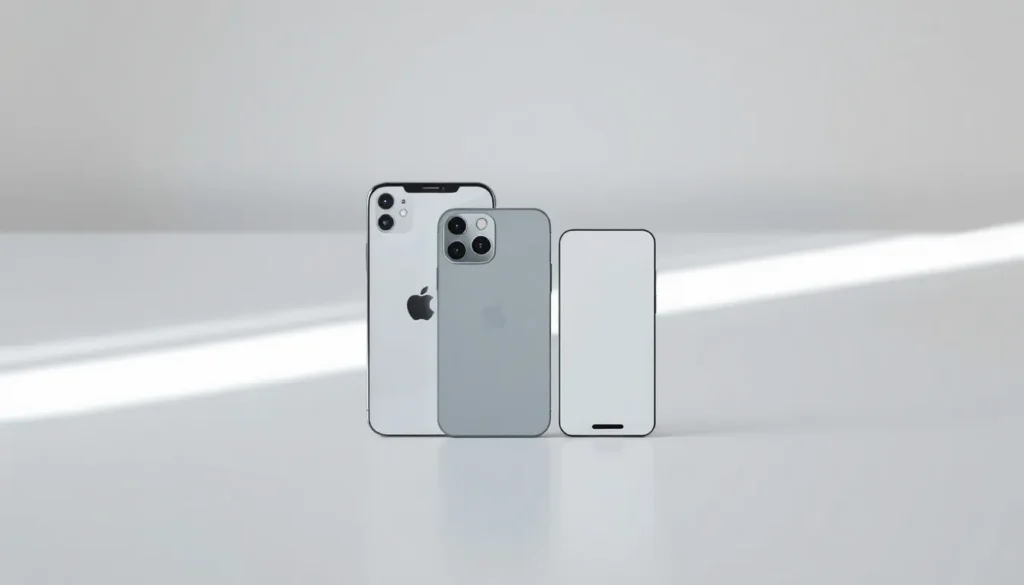
Design and build quality significantly distinguish the iPhone 12 from the iPhone 12 Mini. While both phones exhibit sleek designs, their size differences cater to various user preferences.
Size and Weight Comparison
The iPhone 12 measures 6.1 inches diagonally, whereas the iPhone 12 Mini features a more compact 5.4-inch display. Weight also varies between the two; the iPhone 12 weighs approximately 164 grams, and the Mini is lighter at around 135 grams. Users seeking a smaller, lightweight device might prefer the Mini for easy handling. In contrast, those comfortable with larger screens may gravitate towards the iPhone 12. These dimensions enhance portability, making both devices appealing for different lifestyles.
Material Differences
Both the iPhone 12 and iPhone 12 Mini utilize high-quality materials. Apple engineered both phones with aerospace-grade aluminum edges and a ceramic shield front cover, offering durability and enhanced drop protection. Gorilla Glass backs contribute to their modern aesthetics, while colors remain consistent across models. The manufacturing process emphasizes premium feels in hand, giving users a sense of quality regardless of their choice. Differences in weight, however, stem from their size variations, influencing overall user experience and preference.
Display Features
The display characteristics of the iPhone 12 and iPhone 12 Mini significantly influence user experience. Both models showcase exceptional technology, but differences in their form factors stand out.
Screen Size and Resolution
iPhone 12 features a 6.1-inch display, while iPhone 12 Mini comes with a more compact 5.4-inch screen. Both devices utilize Super Retina XDR OLED technology, delivering a resolution of 2532 x 1170 pixels for iPhone 12 and 2340 x 1080 pixels for the Mini. The pixel density remains high at 460 ppi for both models. Users appreciate the sharp and vibrant visuals, regardless of the device size. In terms of usability, the Mini’s smaller screen caters to users who prefer one-handed operation, while the larger iPhone 12 provides easier reading and viewing experiences.
Brightness and Color Accuracy
Brightness levels for both models reach up to 1200 nits, ensuring strong performance even in bright environments. Color accuracy is remarkable in both devices, supporting HDR content and displaying a wide color gamut. Users find the vivid colors and deep blacks enhance the visual experience, making media consumption enjoyable. The iPhone 12 and Mini maintain a consistent delta E rating of under 1, resulting in stunning color fidelity. Overall, these display features confirm that both models deliver exceptional visual performance, catering to diverse user preferences.
Performance and Battery Life
Both the iPhone 12 and iPhone 12 Mini utilize the powerful A14 Bionic chip, delivering high performance across both devices. Users experience smooth multitasking, rapid app loading, and exceptional gaming performance. This chip includes a 6-core CPU and a 4-core GPU, ensuring that both models handle demanding tasks effortlessly. Enhanced machine learning capabilities also support various applications, further boosting efficiency.
Processor Specifications
The A14 Bionic chip powers both the iPhone 12 and iPhone 12 Mini, ensuring consistent performance. Each device features a 6-core CPU that optimizes speed and responsiveness. Meanwhile, the 4-core GPU produces high-quality graphics, essential for gaming and media playback. These processor specifications enable users to enjoy intense gaming experiences, augmented reality applications, and seamless video streaming.
Battery Capacity and Usage
Battery capacity differs between the two models, impacting overall usage. The iPhone 12 houses a 2815 mAh battery, while the iPhone 12 Mini contains a 2430 mAh battery. Users often find that the iPhone 12 lasts longer during heavy usage, benefiting from its larger capacity. Under typical daily usage, both models support up to 17 hours of talk time, ensuring reliable performance. Frequent iPhone 12 Mini users may need to recharge more often, especially during extensive app use or gaming sessions.
Camera Capabilities
Both the iPhone 12 and iPhone 12 Mini feature advanced camera systems, catering to photography enthusiasts. Dual 12 MP rear camera systems provide versatility and quality across both models.
Rear Camera Features
Wide and ultra-wide lenses enhance capturing capability. The wide lens has an aperture of f/1.6, allowing for better low-light performance. Night mode becomes available on both devices, resulting in clearer photos in darker settings. Photographic styles, such as enhanced contrast or vivid colors, contribute to personalized image output. Each model supports 4K video recording at up to 60 frames per second, ensuring high-quality video capture. Smart HDR 3 technology improves dynamic range, delivering vibrant images across diverse lighting conditions.
Front Camera and Video Recording
The front camera features a 12 MP sensor, perfect for selfies and video calls. Night mode is available for front-facing photos, improving capture quality in less than ideal lighting. Users enjoy the ability to record 4K video at 60 frames per second, offering crisp detail for vlogs and social media content. Deep Fusion technology enhances image processing, resulting in more texture and detail in images. Annesesofnt also enables 1080p HD recording at 30 frames per second. Each device allows users to achieve professional-looking results without requiring additional equipment.
Price and Value
Price plays a significant role in choosing between the iPhone 12 and iPhone 12 Mini. The iPhone 12 typically costs about $699, whereas the Mini starts around $699, often making it a more budget-friendly option. Discounts and promotions frequently apply to the Mini, enhancing its value. This price difference may influence users prioritizing functionality without overspending.
Pricing Comparison
Each model presents a distinct price point. Retailers often price the iPhone 12 at approximately $100 more than the Mini. While both devices are available at similar starting prices, the Mini might be found on sale more frequently. Shoppers interested in savings should consider these pricing trends while evaluating options. The iPhone 12 offers larger dimensions, yet the differences in functionality don’t necessarily justify the higher price.
Storage Options
Storage choices differentiate the two models. The iPhone 12 and iPhone 12 Mini come in three storage capacities: 64 GB, 128 GB, and 256 GB. Users looking for ample space may prefer the 256 GB variant for extensive apps and media. Both models share equivalent storage options, ensuring flexibility for various user needs. Evaluating storage capacity contributes to the decision-making process when choosing which phone best suits individual preferences.
Choosing between the iPhone 12 and iPhone 12 Mini ultimately depends on individual preferences and needs. The iPhone 12 offers a larger display and longer battery life, appealing to users who prioritize screen size and extended use. On the other hand, the iPhone 12 Mini stands out for its compact design and lighter weight, making it a great option for those who prefer portability without compromising performance.
Both models boast impressive features, including the powerful A14 Bionic chip and exceptional camera capabilities. Whether it’s the budget-friendly Mini or the more robust iPhone 12, both devices deliver a premium experience tailored to different lifestyles.

